Table of contents
Shelters across the UK are reporting a familiar pattern: when adoption events are staged well, they do more than move animals into homes, they shift how the public thinks about rescue pets. The stakes are high because demand and capacity rarely match; in England alone, the RSPCA took in 28,730 animals in 2023, including 10,375 cats and 5,810 dogs, while rescue centres continue to warn of pressures linked to cost-of-living strain. Adoption days have become a frontline tool, not only for rehoming, but for rewriting reputations.
When the doors open, stereotypes crumble
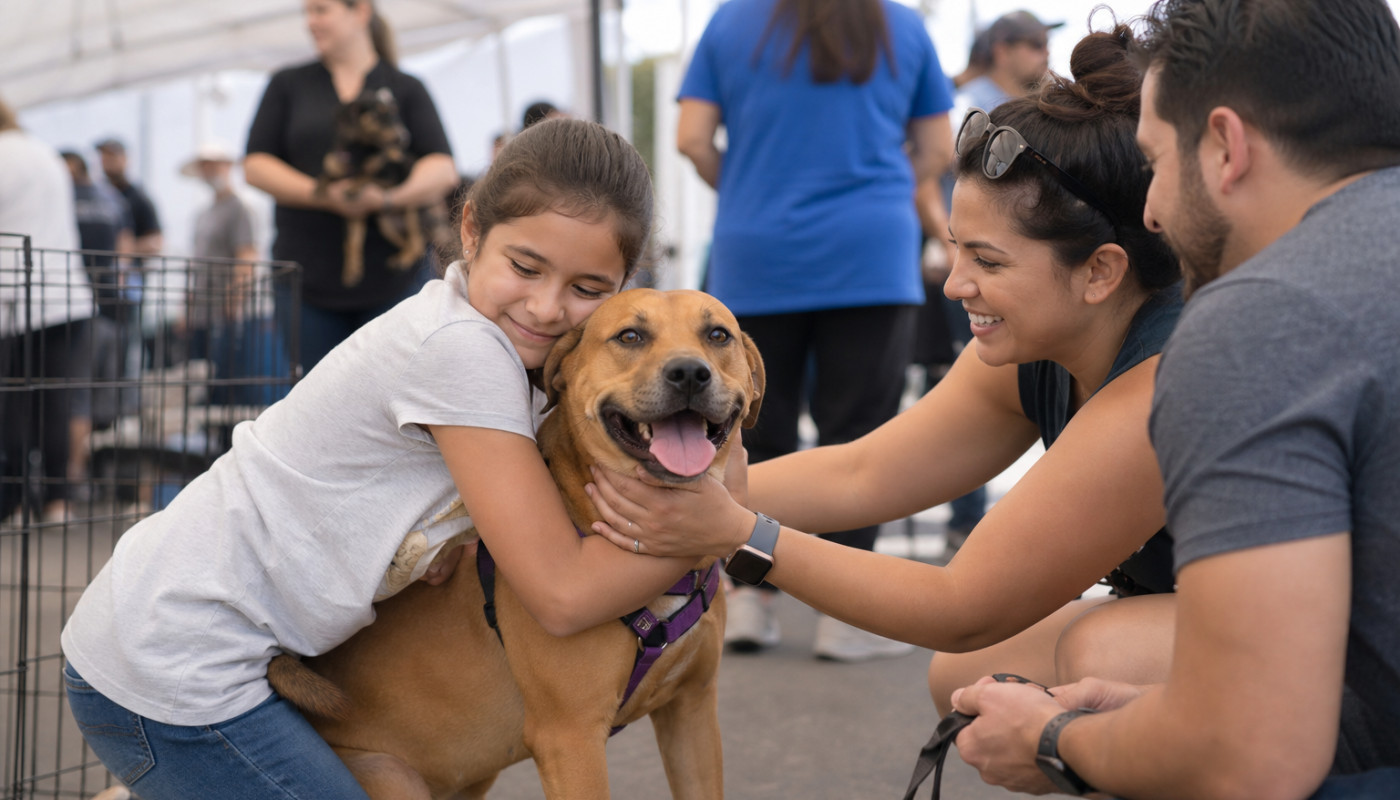
One open day can do what months of social media cannot: put real animals in front of real people, under conditions that reduce fear and uncertainty. The first barrier to adoption is often not money or space, it is a story that potential owners have inherited, that shelter dogs are “damaged”, that older cats are “set in their ways”, that mixed breeds come with unknown problems, and that rescue is a gamble compared with buying from a breeder. Adoption events disrupt those narratives because they replace abstract assumptions with direct observation, and the research suggests that this shift is not merely anecdotal.
Studies of animal-shelter marketing have repeatedly found that small changes in presentation alter perceived adoptability, including clearer biographies, consistent photography, and structured meet-and-greet settings. A 2013 study in Applied Animal Behaviour Science reported that dogs displaying more “calming signals” and less tension during interactions were rated as more adoptable, while environmental stressors in kennels could distort behaviour and worsen first impressions. Events that move introductions into quieter rooms, shaded outdoor areas, or controlled play pens can therefore change perceptions by changing what the animal is able to show, and in journalism terms, that is the key detail: the pet is not being “rebranded”, it is being seen more accurately.
That matters because shelters are, by design, noisy, unfamiliar and often overcrowded, and those conditions can amplify barking, pacing and withdrawal. When a dog that appears frantic behind bars sits calmly in a neutral space, or a cat that hides in a kennel approaches during a low-traffic session, visitors leave with a different mental model of what “rescue pet” means. The event becomes a corrective lens, and the effect can persist because first impressions drive later decisions, including whether a family comes back, recommends adoption to friends, or shares a positive story online.
The transformation is also powered by social proof, a basic psychological mechanism that becomes visible in the queue at the registration desk. When people see others meeting animals, asking questions, filling out forms, and comparing notes, adoption feels normal and safe, not niche or risky. That is why event design matters as much as good intentions, and why rescues now invest in traffic flow, volunteer training, and structured guidance that keeps visitors from feeling lost or judged. If the goal is to reshape perception, the atmosphere has to signal competence and care, and the public reads those cues fast.
Data, not pity, drives modern rehoming
For years, shelter messaging leaned heavily on pity, and it sometimes worked, but it also carried a subtle cost: it reinforced the idea that rescue pets are problems to be managed. The stronger adoption events today tend to use a different language, one grounded in information, transparency and fit, and the numbers show why that approach matters. In 2023, Battersea rehomed 3,697 dogs and cats, according to its annual reporting, and UK charities routinely stress that sustainable adoption depends on matching lifestyle, housing and experience, not on impulse sparked by a sad photograph.
Events make it easier to deliver that matching process in a way that feels practical rather than bureaucratic. A well-run session can triage the basics quickly, whether the home has other pets, whether the adopter can manage separation anxiety, what exercise and grooming routines look like, and what veterinary costs might be over a year. The UK’s major welfare organisations have repeatedly warned that financial strain is now a direct welfare factor, with some owners delaying treatment or seeking support. When staff speak plainly about costs, insurance and preventive care, it reduces the chance of a failed adoption, and it reframes rescue as a responsible, informed decision rather than a spontaneous act of charity.
That shift in tone is backed by evidence from behavioural science and shelter medicine, which increasingly emphasise outcomes over throughput. Transparent disclosure, including known medical issues or behavioural triggers, can feel uncomfortable in the moment, yet it builds trust, and trust is the currency that changes perception at scale. When visitors encounter clear assessments, written care plans and realistic timelines, the shelter stops being seen as a last resort for unwanted animals, and starts being seen as a professional service that manages risk and supports owners.
Crucially, adoption events can put those tools into the adopter’s hands. Families can watch a short demonstration on harness fitting, learn how to introduce a new cat to a household, or hear what “decompression time” looks like in the first two weeks. The experience becomes educational, which elevates the status of shelter animals, and it also protects them. If people leave knowing more than when they arrived, they talk about rescue differently, and that is exactly how perceptions shift beyond the walls of the centre.
A good event also spotlights aftercare
The public often imagines adoption as a single moment: you meet a pet, you take it home, and the story ends. In reality, the first month is where many adoptions succeed or fail, and events that acknowledge this tend to change perceptions most effectively, because they show that rescue does not abandon people once the paperwork is signed. Behavioural helplines, post-adoption check-ins, discounted training, and partnerships with local vets can turn what feels like a leap into a guided transition, and adopters remember that support when they describe their experience to others.
There is a broader context here that charities cannot ignore. The UK’s animal welfare sector has faced waves of demand, with rising intake pressures and shifting owner circumstances, and many shelters have warned publicly about capacity constraints. At the same time, the information landscape has become harsher: viral videos can misrepresent dog behaviour, while online marketplaces can blur lines between ethical breeding and profit-driven sales. Against that noise, a community adoption day functions like a public audit, people see how animals are assessed, what questions are asked, and how decisions are made, and that visibility can rebuild confidence in rescue as a system.
This is also where partnerships matter. Events often bring together trainers, veterinary nurses, groomers and council services, and a visitor who came “just to look” may leave with a realistic plan. For some households, that plan includes waiting, saving, or considering fostering instead of adopting immediately, and far from being a lost sale, that honesty strengthens the brand of rescue as careful and welfare-led. It is a small but significant difference from commercial pet acquisition, where the transaction can be faster than the reflection.
For readers trying to understand why an event can change minds, the simplest explanation is this: aftercare turns adoption from a gamble into a supported choice. When the public believes support exists, they are more willing to consider animals they might otherwise dismiss, including older pets, shy cats, or dogs that need training. That change in willingness is the measurable lever, and it is one reason many rescues now invest as much in follow-up capacity as they do in the event itself.
The ripple effect reaches beyond one weekend
What happens after the tents come down and the last visitor leaves? The long-term impact is often visible in the way communities talk about shelter pets, and in the quality of inquiries that arrive weeks later. People who attend events but do not adopt still absorb new information, about temperament assessments, about the realities of pet care, and about the fact that “rescue” covers everything from puppies to seniors, pedigrees to mixed breeds. Those attendees become informal messengers, and in a crowded attention economy, that peer-to-peer narrative can be more persuasive than any advert.
Digital spillover amplifies the effect. A single family photo at an adoption day, posted with a calm, factual caption, can outperform dramatic fundraising appeals because it communicates normality: rescue pets belong in ordinary homes. Shelters have learned to encourage that kind of sharing, not through pressure but through small prompts, a photo corner, a simple hashtag, a short leaflet on how to introduce a new pet, and a reminder that updates help other animals find homes. The resulting content is not polished marketing, yet it is credible, and credibility is precisely what changes perceptions.
There is also a structural benefit. When events succeed, they can stabilise shelter operations by reducing length of stay for some animals, which can lower stress-related behaviour deterioration and free up space for urgent intakes. That in turn can improve welfare outcomes, which feeds back into public confidence. The system becomes, at least temporarily, less reactive, and more capable of careful matching. For adopters, this means better information and calmer animals; for shelters, it means fewer returns and fewer crises; for the public, it means the idea of rescue shifts from chaotic to competent.
Readers considering getting involved often start with a simple question: where do I begin? The most effective first step is to engage with a reputable organisation, learn its process, and attend an event with an open mind and a realistic checklist. For those looking for a starting point in the UK, Star Rescue provides information on its work and the animals it supports, and browsing ahead of time can help visitors arrive ready to ask the right questions and make better decisions.
How to plan your next adoption visit
Book a slot if required, and arrive with a clear budget for food, insurance and routine vet care, then ask what support is available after adoption and whether any local assistance schemes can help with initial costs. If you rent, bring landlord permission, and if you have pets, request a gradual introduction plan. The best adoptions are prepared, not rushed.
On the same subject

How Custom Pet Portraits Can Transform Your Home Decor

Understanding The Costs And Benefits Of At-Home Veterinary Emergencies

Parrots: The Masters of Mimicry

Aquariums: A Deep Dive into Underwater Habitats
